
Where Does Tongue and Groove Wood Paneling Work Best and How Can You Prevent Damage?
Wood paneling remains a popular choice for homeowners and commercial property owners who want to introduce natural warmth, texture, and timeless appeal into their spaces. Its versatility makes it suitable for a variety of applications, from interior walls and ceilings to covered outdoor areas. Understanding where tongue and groove wood paneling works best and what factors affect its longevity can help property owners make informed decisions when selecting materials.
Understanding Tongue and Groove Wood Paneling
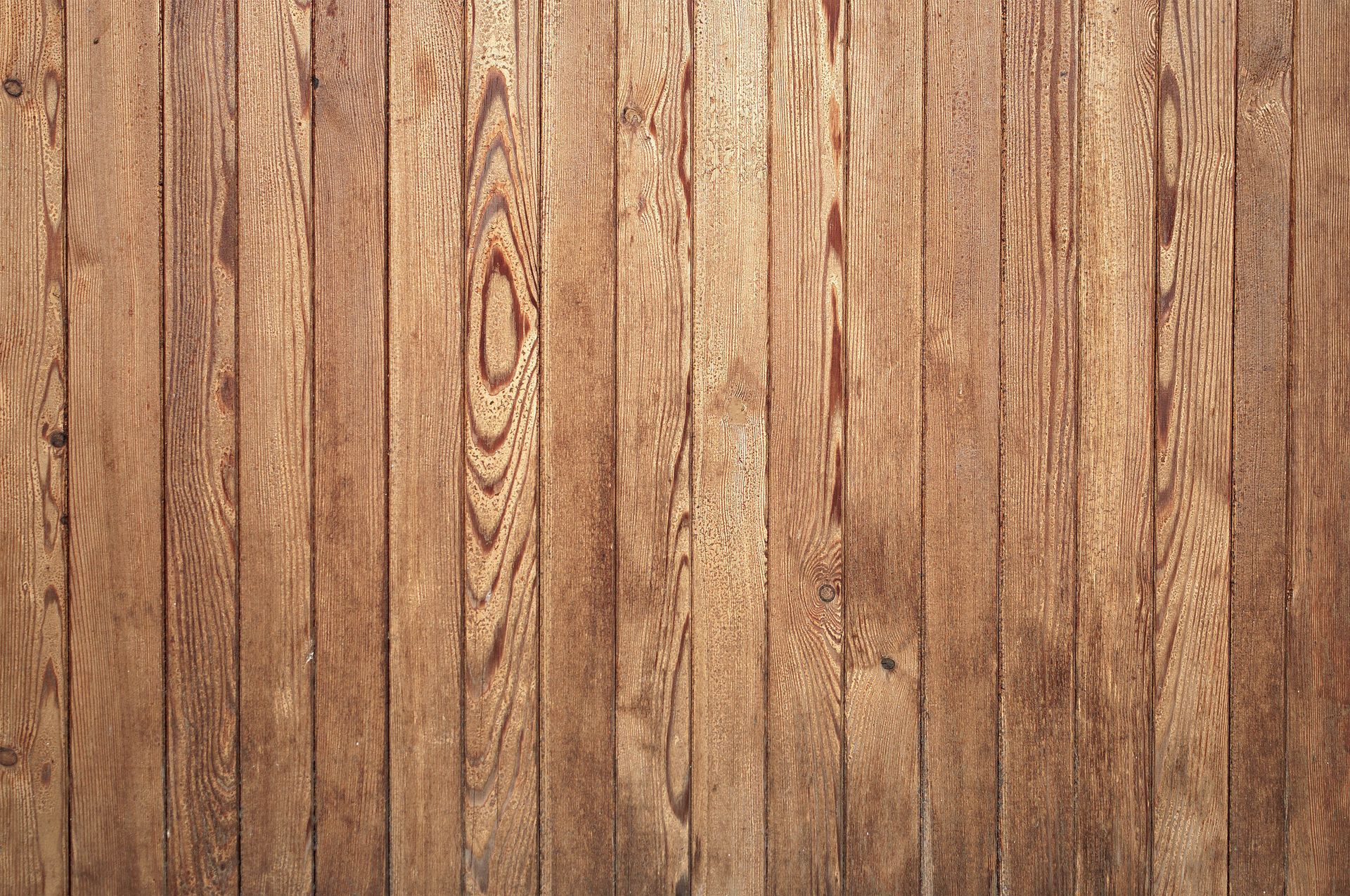
Tongue and groove wood paneling consists of boards designed to interlock, with one edge featuring a protruding tongue and the opposite edge containing a corresponding groove. This construction creates a close fit between individual boards, producing a consistent surface with minimal visible gaps. The design makes it an attractive option for walls, ceilings, and other architectural features.
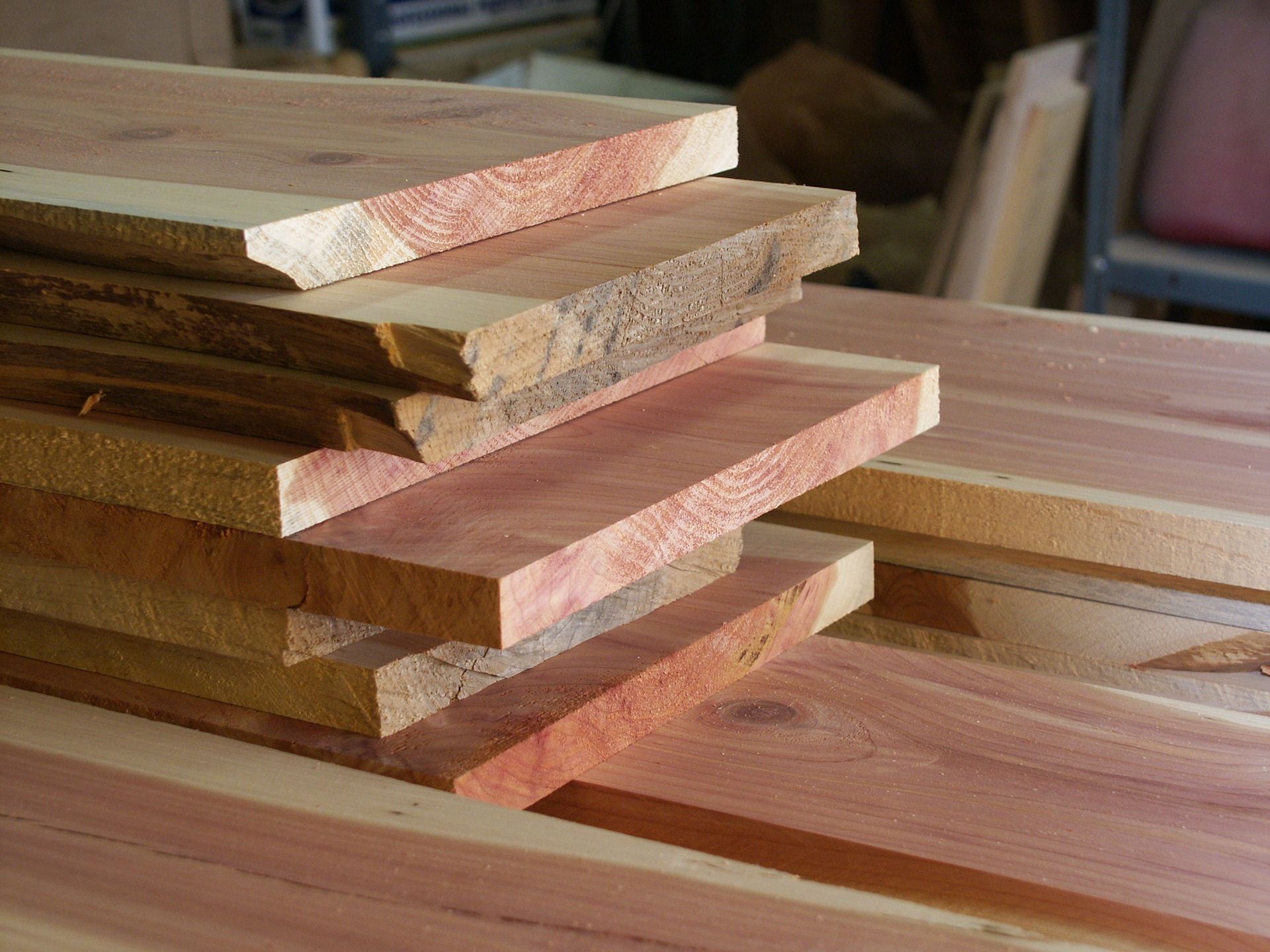
Different wood species offer distinct advantages depending on the intended application. Pine and cedar are popular choices for their natural appearance, while harder woods such as oak provide additional durability. Engineered wood products are another option, offering greater dimensional stability in environments where temperature and humidity fluctuate.
The benefits of tongue and groove extend beyond appearance. Its interlocking construction creates a uniform finish, while natural wood adds warmth and character to residential and commercial environments. With appropriate material selection and professional installation, it can remain an attractive architectural feature for many years.
Knowing Ideal Locations for Wood Paneling
Residential interiors are among the most common applications for tongue and groove wood paneling. Living rooms, bedrooms, hallways, and entryways can all benefit from the natural texture and visual interest that wood provides. It can be used across entire walls or incorporated into specific areas to create distinctive architectural accents.
Commercial properties also benefit from wood paneling. Restaurants, hotels, retail stores, and offices frequently incorporate natural wood finishes that create welcoming and sophisticated environments. Its ability to complement different interior styles makes it suitable for both traditional and contemporary commercial spaces.
Covered porches, patios, and other protected outdoor areas provide additional opportunities for wood paneling. Cedar and redwood are particularly popular for exterior applications because of their natural resistance to moisture and decay. However, outdoor exposure requires careful material selection and appropriate protective finishes to help prevent premature deterioration.
Moisture is an important consideration when choosing where to use wood. Bathrooms, kitchens, and other humid environments can expose panels to conditions that cause expansion, contraction, and potential deterioration. Proper ventilation, suitable materials, and moisture-resistant finishes can help reduce these concerns.
Cabins, cottages, and seasonal properties are also excellent settings for wood paneling. Natural wood complements rustic architecture while providing a consistent appearance across walls and ceilings. Its warmth and texture make it especially appealing in spaces designed to emphasize natural surroundings.
Choosing the Right Appearance and Finish
Selecting wood paneling involves considering how its appearance will complement the surrounding environment. Wood tones should coordinate with existing flooring, furniture, cabinetry, and architectural details. Lighter finishes can make smaller rooms feel more open, while darker tones introduce depth and a more traditional appearance.
Color customization provides additional flexibility. Natural finishes highlight the grain and characteristics of individual wood species, while stains and paints allow property owners to achieve specific design preferences. The appropriate finish can also influence how well the material complements modern, rustic, farmhouse, or traditional interiors.
Panel orientation can significantly affect the overall appearance of a room. Horizontal boards create a classic look, while vertical arrangements can emphasize ceiling height and make walls appear taller. More distinctive patterns can also introduce visual interest, depending on the architectural style and design goals.
Lighting is another important consideration. Natural sunlight can emphasize the grain and texture of wood, while interior lighting can highlight its color and finish. Selecting materials that work well with the room's existing lighting helps create a balanced and inviting environment.
Maintaining Wood Paneling Over Time
Consistent maintenance is essential for preserving the appearance and performance of wood surfaces. Dust and debris can accumulate along panel edges and grooves, gradually affecting the finish if left unattended. Appropriate cleaning products and routine professional assessments can help maintain the material without causing unnecessary surface damage.
Property owners should also be aware of changes in the wood's appearance. Cracking, discoloration, gaps, and warping can indicate exposure to excessive moisture or changing environmental conditions. Identifying these concerns early allows professionals to evaluate the underlying cause before more extensive deterioration occurs.
Protective finishes play an important role in extending the lifespan of wood products. Sealants, stains, and other appropriate coatings can help limit moisture absorption and reduce damage from sunlight. The type of protection needed depends on the wood species, its location, and the amount of environmental exposure it receives.
Water exposure deserves particular attention. Leaks, persistent humidity, and inadequate ventilation can contribute to swelling, staining, and decay. Areas near plumbing fixtures, windows, and exterior walls should receive particular attention during routine property inspections.
When panels become damaged, professional evaluation can determine whether refinishing or replacement is the most appropriate solution. Addressing individual problem areas can help preserve the surrounding material and maintain a consistent appearance. Proper material selection and ongoing maintenance can reduce the likelihood of extensive repairs.
Preventing Premature Wood Deterioration
Environmental conditions have a significant influence on wood longevity. Temperature fluctuations, humidity, direct sunlight, and prolonged moisture exposure can all affect the stability and appearance of natural wood. Selecting appropriate materials for the environment is one of the most important considerations when planning a tongue and groove paneling project.
Wood species vary considerably in their natural durability. According to Southern Living, harder woods like oak can take up to 20 years to deteriorate. This makes species selection particularly important for applications where long-term performance is a priority.
Engineered wood products also provide advantages in certain environments. Their construction can offer improved dimensional stability compared with some solid wood options, helping reduce problems associated with changes in humidity. Their consistent appearance and available finishes make them suitable for a variety of residential and commercial applications.
Sun exposure is another factor that can affect wood over time. Prolonged exposure to ultraviolet light may cause fading, discoloration, and changes in the appearance of protective coatings. Choosing appropriate finishes and considering the location of windows and other sources of direct sunlight can help preserve the original appearance.
Comparing Wood Paneling with Other Materials
Although natural wood offers distinctive aesthetic benefits, it is not the only option available for wall and ceiling applications. Vinyl and composite products can provide alternatives for environments where moisture resistance and reduced maintenance are priorities. Some synthetic materials are designed to replicate natural wood grain, offering a similar appearance with different performance characteristics.
Natural wood remains appealing because of its authentic texture, individual grain patterns, and versatility. It can also be refinished or updated to accommodate changing design preferences. Synthetic alternatives may require less maintenance in certain environments, but they generally cannot replicate every characteristic of genuine wood.
Cost is another consideration when comparing materials. Higher-quality wood products may require a greater initial investment, but their appearance and potential longevity can make them worthwhile for many projects. Evaluating material costs alongside maintenance requirements and expected performance helps property owners determine which option best meets their needs.
Selecting Quality Materials for Your Project
Choosing the right supplier is an important part of achieving a successful wood paneling project. Material quality, wood species, available dimensions, and product consistency can all influence the final appearance. Working with an experienced lumber supplier helps ensure that the selected products are appropriate for the intended application.
Lumber Specialties Inc provides access to quality lumber products for a variety of building and improvement projects. Whether you are planning an interior renovation, updating a commercial property, or incorporating natural wood into an outdoor living area, selecting the right materials is essential. Contact Lumber Specialties Inc to discuss your project and find lumber products, such as tongue and groove paneling that meet your design preferences and performance requirements.








Share On: