
The Benefits of Synthetic Products for Residential, Commercial, and Industrial Applications
Building and remodeling choices have changed a lot in recent years. Natural wood is still beloved for its look and feel, but more property owners are also turning to synthetic and composite materials for projects that face sun, rain, humidity, and heavy use. These materials are made to resist many of the problems that wear down traditional lumber, which can make them a smart fit for homes, businesses, and industrial properties alike. Knowing where they shine, and where natural wood still makes sense, helps you choose the right material for each job. Below, we'll explain the benefits of synthetic products for residential, commercial, and industrial applications and how our team can help you match materials to your project.
Understanding How Synthetic Materials Compare
Wood is a natural material, which means it responds to its environment. Even high-quality options need protection to last. According to The Spruce, marine-grade plywood can have a lifespan of 15 to 25 years, particularly when it's sealed with a protective coating. That shows how much of a wood product's life depends on careful sealing and upkeep. Synthetic and composite materials take a different approach, using engineered ingredients designed to handle moisture and wear without the same level of ongoing protection. Neither choice is right for every project, so it helps to compare them based on where and how the material will be used. A deck in full Florida sun, for example, faces very different demands than a covered porch. Our synthetic products give customers another durable option to consider alongside traditional lumber.
Resisting Moisture and Rot
Moisture is one of the biggest enemies of wood. In humid climates like Florida's, damp conditions can lead to swelling, warping, mold growth, and rot, especially on surfaces that stay wet or shaded. Synthetic and composite materials are designed to resist water absorption, which helps them hold their shape and appearance over time. That makes them especially useful for decks, trim, and other exterior areas exposed to rain and humidity. Fewer moisture problems can mean fewer repairs and replacements down the road. Surfaces that stay cleaner and drier are also easier to keep looking good. For property owners in coastal and humid regions, this resistance is one of the most appealing advantages.
Standing Up to Pests
Termites, carpenter ants, and other wood-boring insects can cause serious damage to natural lumber, often before anyone notices. Many synthetic materials aren't a food source for these pests, which can reduce one common risk to your structure. This is particularly valuable in warm climates where insects stay active for much of the year. Pest resistance can also lower the need for repeated treatments. That can mean less time and money spent on inspections and repairs. While no material is completely immune to every problem, choosing materials that pests find less appealing can add peace of mind. It's one more way these materials help protect your investment, particularly for structures that are hard to inspect or repair.
Needing Less Maintenance
Traditional wood often requires regular sanding, staining, sealing, or painting to look its best. Those tasks take time and money, and skipping them can shorten the life of the material. Synthetic and composite options typically need much less upkeep, often just periodic cleaning with soap and water. That's a big advantage for busy homeowners, property managers overseeing multiple buildings, and anyone who doesn't want to spend weekends maintaining outdoor surfaces. Lower maintenance can also reduce long-term costs over the life of a project. It also frees up time for other property needs. Our synthetic products are a practical choice for customers who want a clean, finished look without constant upkeep.
Lasting Longer in Tough Conditions
Durability is a central reason people choose engineered materials. Many are designed to resist fading, splintering, and cracking from sun exposure and daily wear. Their consistent composition can also help them maintain a more uniform appearance from board to board. Because they stand up to the elements, they may need to be replaced less often than some natural alternatives, though lifespan depends on the specific product, installation, and care. Checking the manufacturer's warranty and installation requirements helps you understand what to expect. Choosing durable materials from the start can reduce the hassle and expense of future replacements.
Improving Residential Projects
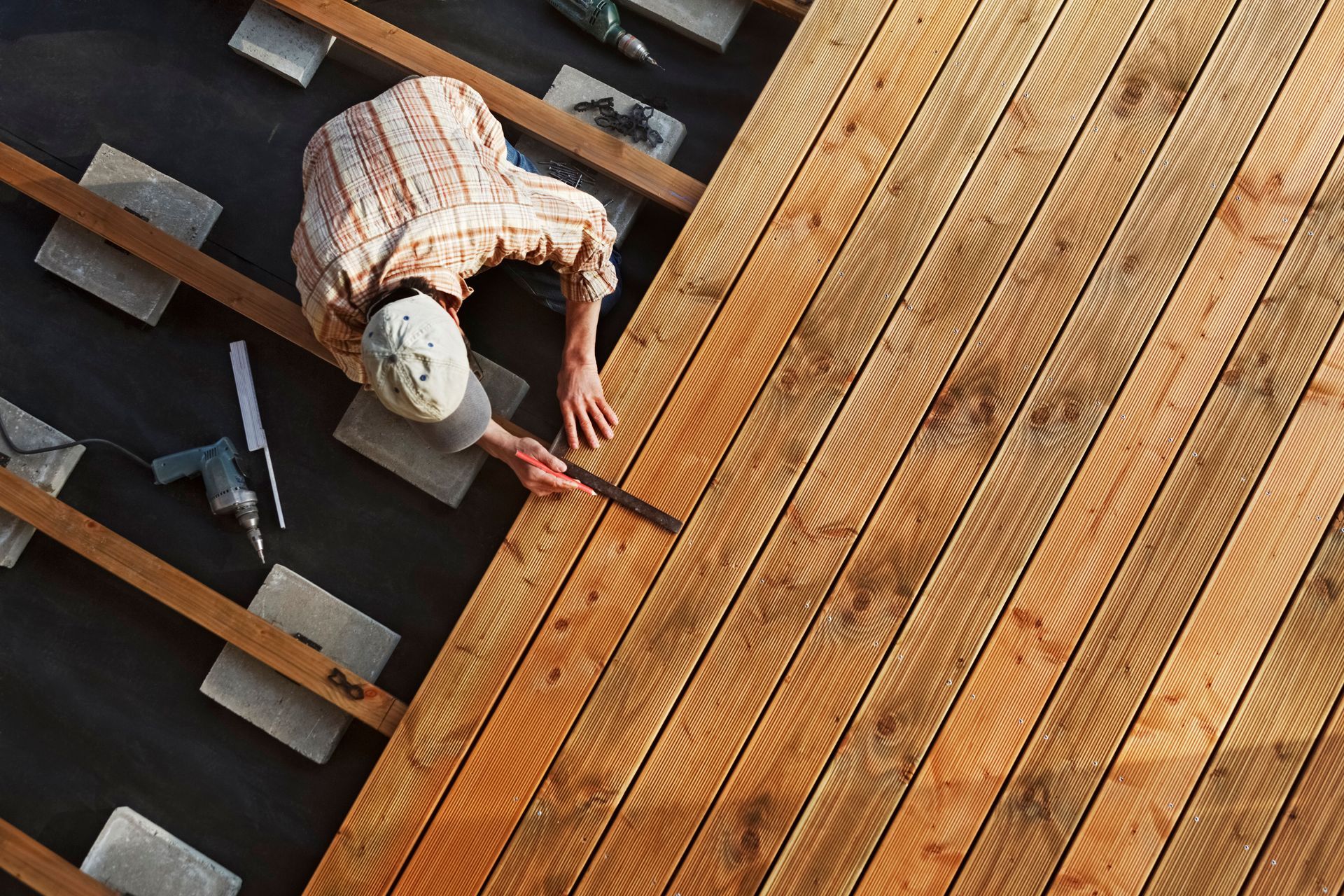
Homeowners use synthetic and composite materials in many ways. Decks and railings are popular choices because they face constant exposure to sun and rain. Exterior trim, fascia, and mouldings are other common uses, since they're exposed to moisture and often hard to reach for maintenance. Fences, porches, and outdoor living spaces can also benefit from materials that hold up in the weather. Many of these products come in a range of colors and textures, so you can get a look that complements your home. Builders, remodelers, and designers also appreciate that they can be cut and installed with familiar tools. Our synthetic products can help homeowners get a polished look that matches both their style and their budget.
Supporting Commercial Properties
Businesses have different priorities than homeowners. Patios, walkways, entryways, and outdoor seating areas see constant foot traffic and need to look good with minimal downtime. Property managers often prefer materials that reduce repair calls and keep a property looking polished year-round. Durable, low-maintenance surfaces can help control long-term costs, which matters when managing several properties or large spaces. Consistent color and texture also help create a professional appearance for restaurants, offices, and retail centers. Choosing the right material for high-use areas helps keep both customers and tenants happy. Slip resistance and surface texture are also worth reviewing for walkways that get wet.
Meeting Industrial Demands
Industrial and utility settings can be especially hard on building materials. Moisture, chemicals, heavy use, and constant exposure to the elements can wear down natural wood quickly. In these environments, materials that resist water and decay can offer practical advantages, particularly for outdoor structures, boardwalks, and areas near water. Requirements vary widely by project, so it's important to review load ratings, safety standards, and manufacturer guidance before choosing a product. Working with a knowledgeable supplier helps you select materials suited to your specific application. Matching the material to the demands of the job helps avoid costly mistakes.
Matching Materials to the Project
The best material isn't always the most expensive one. Some projects call for the warmth and character of natural hardwood or softwood, while others benefit more from a synthetic or composite option. Factors like budget, climate, appearance, maintenance preferences, and expected lifespan all play a role. We take the time to understand your project and recommend materials that fit your needs rather than defaulting to the highest-cost option. We also take special orders, which can help when a project calls for something specific. Whether you choose wood, composite, or a combination, our synthetic products and lumber selection give you room to build with confidence.
At Lumber Specialties Inc, we're a family-owned and woman-owned company that has been serving customers in Tampa and throughout the surrounding Central and Southwest Florida area since 1992. We buy mill direct and offer softwood, hardwood, millwork, tongue and groove, custom mouldings, marine lumber, synthetic products, composite lumber, and special orders. Our customers include homeowners, contractors, builders, designers, remodelers, and property managers, and our team speaks both English and Spanish. We also work with brands such as Trex, AZEK, and Versatex. Contact Lumber Specialties Inc today to request your free quote.






Share On: