
How to Choose the Right Lumber Service for Your Project
Understanding the importance of selecting the right lumber service can make or break your construction project. This article provides comprehensive insights into how to make an informed decision. Choosing the right lumber service involves more than just finding a supplier with good prices; it requires a thorough understanding of the project's specific needs. With around 2,624 businesses in the timber services industry in the United States, according to IBISWorld, the choice can be overwhelming. The goal is to streamline the process by exploring project requirements, researching potential suppliers, evaluating product quality, and examining customer service options.
Identify Your Project Requirements
Determine the Type of Lumber Needed
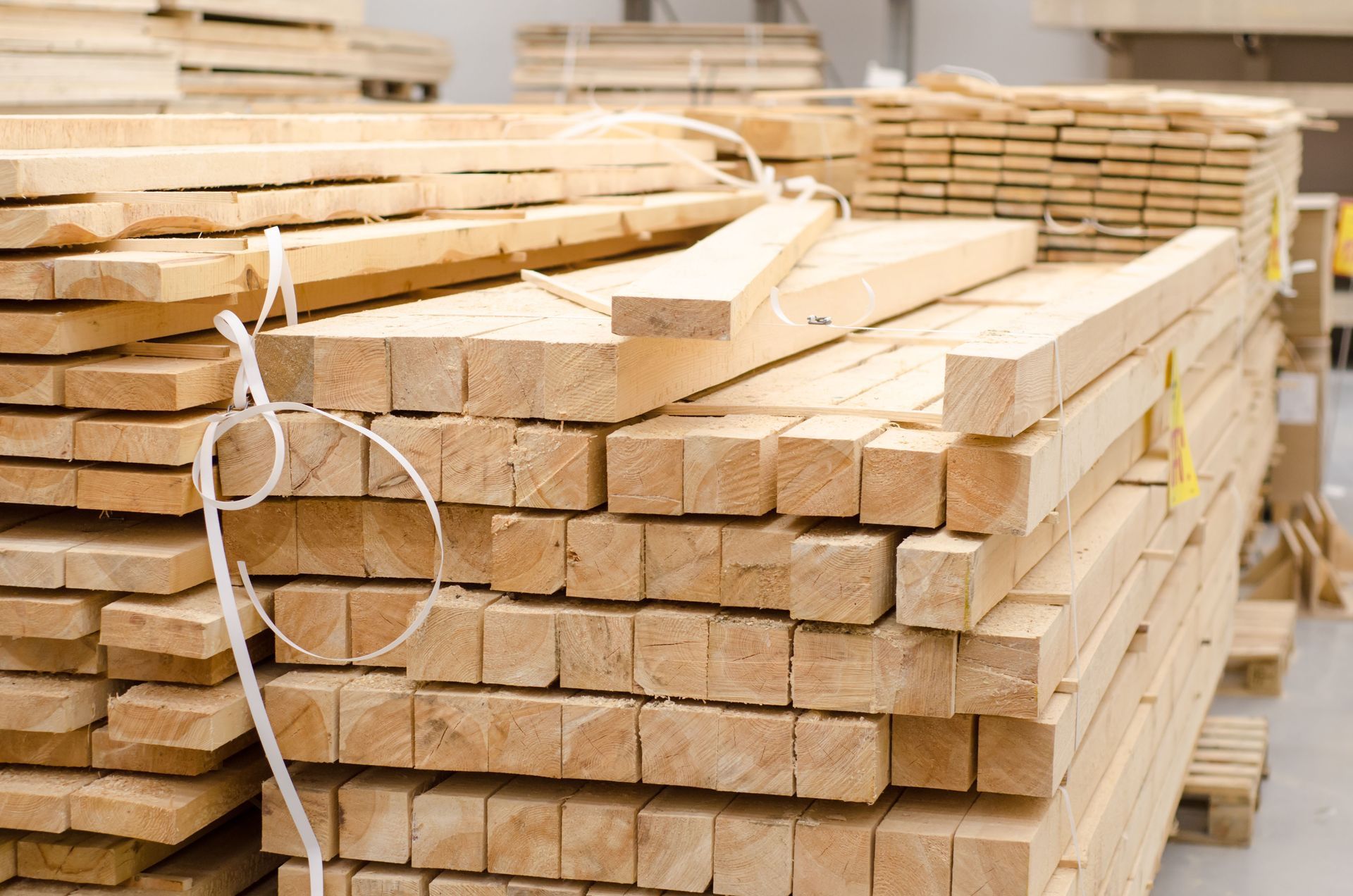
The first step in choosing a lumber service is identifying the type of lumber your project requires. Different projects demand different types of wood, each with unique properties like hardness, resistance to weather, and texture. For instance, hardwoods like oak and maple are ideal for furniture due to their durability, whereas softwoods like pine are preferred for framing and construction. Understanding these distinctions helps narrow down your options and guides your discussions with potential suppliers. An informed decision ensures you purchase appropriate materials that meet specific project demands.
Estimate the Quantity of Lumber Required
Accurately estimating the quantity of lumber needed is crucial to avoid over-ordering or under-ordering, both of which can be costly. Begin by analyzing your project's design plans to calculate the dimensions and total board feet required. Consulting with a construction manager or architect can provide additional insights into any potential adjustments. Estimating the right amount reduces waste and aligns with your budget considerations. It also helps in negotiating with suppliers, as bulk purchases may lead to discounts.
Understand the Specificity of Your Project's Needs
Every project comes with its unique specifications and requirements, which can influence your lumber choices. Factors such as environmental conditions, intended use, and aesthetic preferences are crucial in selecting the most suitable lumber. Coastal environments, for example, may require lumber treated for moisture resistance, while other projects might prioritize sustainable materials. Understanding these needs helps in finding a supplier that can meet these specific demands, ensuring the project's success. Identifying these parameters early can save time and resources later on.
Set a Budget for Your Lumber Purchase
Setting a budget is a fundamental aspect of any project, as it dictates the scope, materials, and suppliers you can consider. Begin by assessing all expenses related to purchasing lumber, including potential shipping or handling fees. Allocating funds for quality materials can substantially affect the longevity and durability of your project. A clear budget aids in comparing suppliers, allowing for a more straightforward decision-making process. It's essential to set a flexible budget to accommodate any unforeseen changes or upgrades during the project.
Research Potential Lumber Services
Check the Reputation of Lumber Suppliers
Supplier reputation is a significant factor when choosing a lumber service, as it indicates their reliability and quality assurance. Begin by consulting industry reports, asking for referrals, or checking with trade organizations to compile a list of reputable suppliers. A trustworthy supplier should have a positive track record of meeting deadlines and delivering high-quality products. Checking the reputation also involves verifying how they handle disputes and customer complaints. Establishing relationships with reputable suppliers can enhance the success and reliability of long-term projects.
Analyze Customer Reviews and Testimonials
Customer reviews and testimonials provide firsthand insights into previous client experiences, offering information about product quality and service. Look for reviews on independent platforms, where customer feedback is more likely to be unbiased and honest. Attention should be given to recurring themes or patterns in reviews, indicating consistent issues or praise. Verifying testimonials through discussions with past clients can further confirm the authenticity of information. This kind of research helps paint a more accurate picture of what to expect from prospective lumber services.
Inspect Certification and Affiliations
Supplier certifications and affiliations serve as indicators of credibility and compliance with industry standards. Certifications from recognized bodies, such as FSC or SFI, demonstrate adherence to sustainable practices. Affiliations with trade organizations and compliance with government regulations further reinforce a supplier's legitimacy. These factors indicate that the supplier is committed to best practices, which can affect the quality, ethics, and legality of their products. Consider suppliers who actively pursue and maintain their credentials, as they generally invest in a transparent and responsible business model.
Review Their Experience in the Industry
Experience in the lumber industry often translates to expertise and the ability to handle diverse project requirements efficiently. A supplier with a history of successful projects will likely have developed best practices for sourcing, processing, and delivering lumber. Their knowledge can be invaluable when making decisions about materials and logistics. Additionally, seasoned suppliers are more likely to have established networks and resources, which can benefit larger or more complex projects. It's beneficial to choose suppliers with a proven track record and extensive industry knowledge.
Evaluate Product Quality and Variety
Examine the Quality of Lumber Offered
The quality of lumber is a critical consideration, as it affects the overall durability and aesthetic of the finished project. Physical inspection of samples can reveal characteristics such as grain consistency, knotting, and presence of defects. Suppliers should provide detailed specifications and assurances regarding the quality and grade of their materials. High-quality lumber will typically enhance structural integrity and ensure a longer lifespan for the construction project. Evaluate whether the supplier meets relevant quality standards and undergoes independent quality testing.
Explore the Range of Lumber Options Available
Diverse lumber options facilitate customized solutions to various project demands. Seek suppliers offering a wide range of species, grades, and treatments, allowing you to choose the best fit for your project's specifications. A broader selection suggests a well-established supplier capable of sourcing and delivering different kinds of materials. This variety also means you can make adjustments as required, without the need to change suppliers. A varied inventory offers the added benefit of accommodating future projects with potentially different requirements.
Review the Source of the Lumber Materials
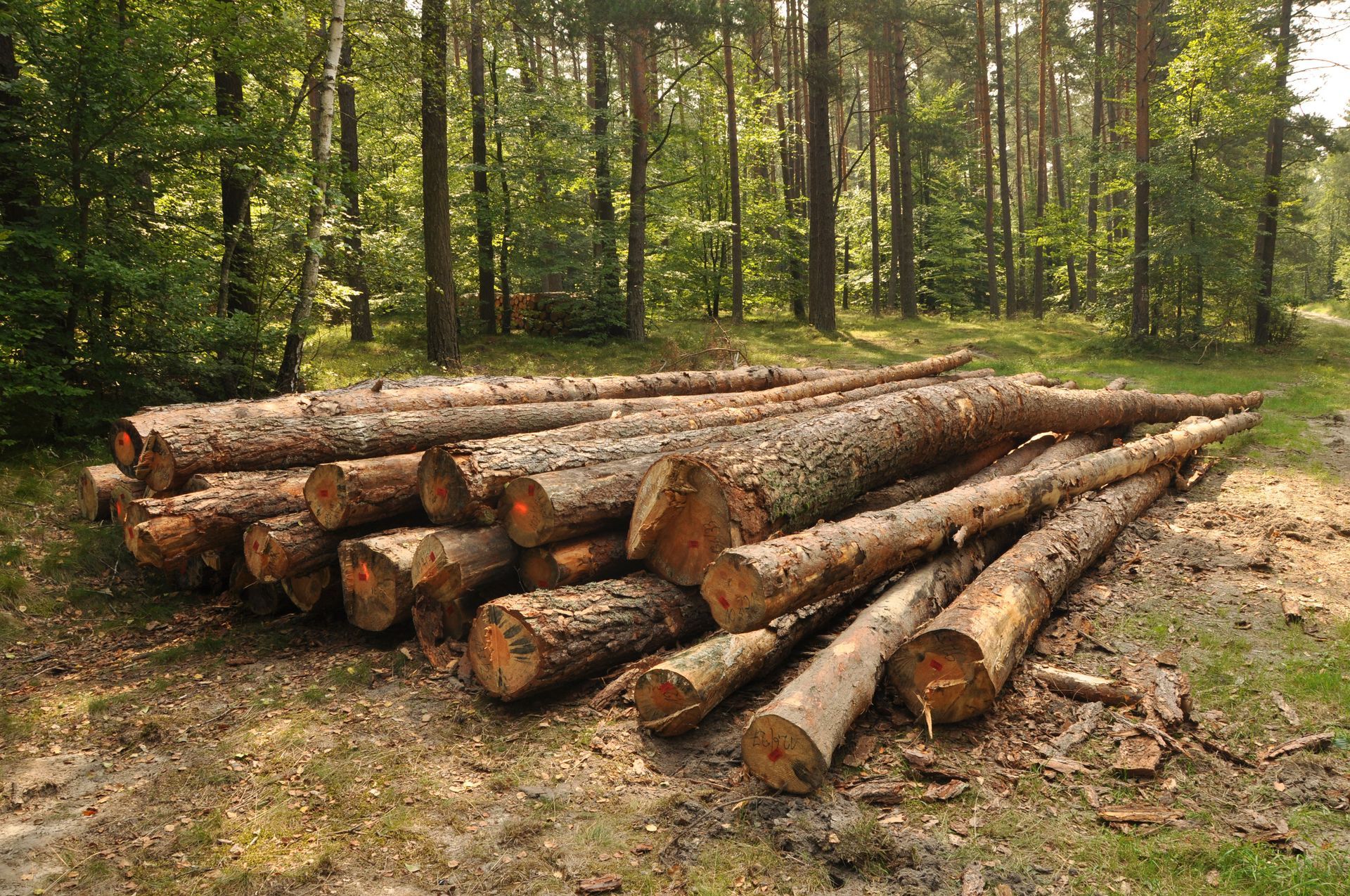
The origins of lumber can impact quality, sustainability, and legal compliance. Sourcing information provides a better understanding of timber provenance and the ethical implications of its use. Confirming that suppliers adhere to legal logging and trading practices can help avoid complications related to illegal logging activities. Transparency in sourcing provides reassurance that the materials align with stated environmental and ethical commitments. Knowing the source also aids in determining the expected levels of performance and quality of the lumber.
Ensure Compliance With Industry Standards
Compliance with industry standards underscores a supplier's commitment to quality and safety. It involves adhering to legally specified guidelines such as ISO certifications and national construction codes. Suppliers conforming to these regulations likely possess a systematic approach to product development, which ensures consistent quality and safety. Familiarity with these standards will streamline your evaluation process and minimize risks during project implementation. A compliant supplier is generally better poised to fulfill project requirements effectively and legally.
By following these steps, you can confidently choose the right lumber service that aligns with your project's unique requirements, ensuring quality and efficiency from start to finish. An informed and strategic approach discerningly navigates the industry's complexity and prevalence for optimum outcomes. The culmination of thorough evaluations and diligent decision-making underscores project success and enhances architectural integrity holistically. A meticulous process guards against pitfalls while leveraging benefits intrinsic to responsible and proficient material sourcing. Ultimately, these critical observations solidify foundational principles vital to the longevity and prosperity of building aspirations—contact Lumber Specialties Inc today to secure the premium materials and expert support your project demands.











Share On: