
Benefits of Using Professional Lumber Services
Quality lumber plays an important role in the strength, appearance, and longevity of construction projects. Whether a property owner is planning a renovation, replacing damaged wood, or undertaking a new build, selecting the right materials can affect both the budget and the final results. Professional lumber services provide access to knowledgeable guidance, properly prepared materials, and efficient sourcing. Working with experienced professionals helps project owners make informed decisions, reduce waste, and choose lumber suited to their specific requirements.
Improve Material Selection and Quality
Choose the Right Wood for Every Project
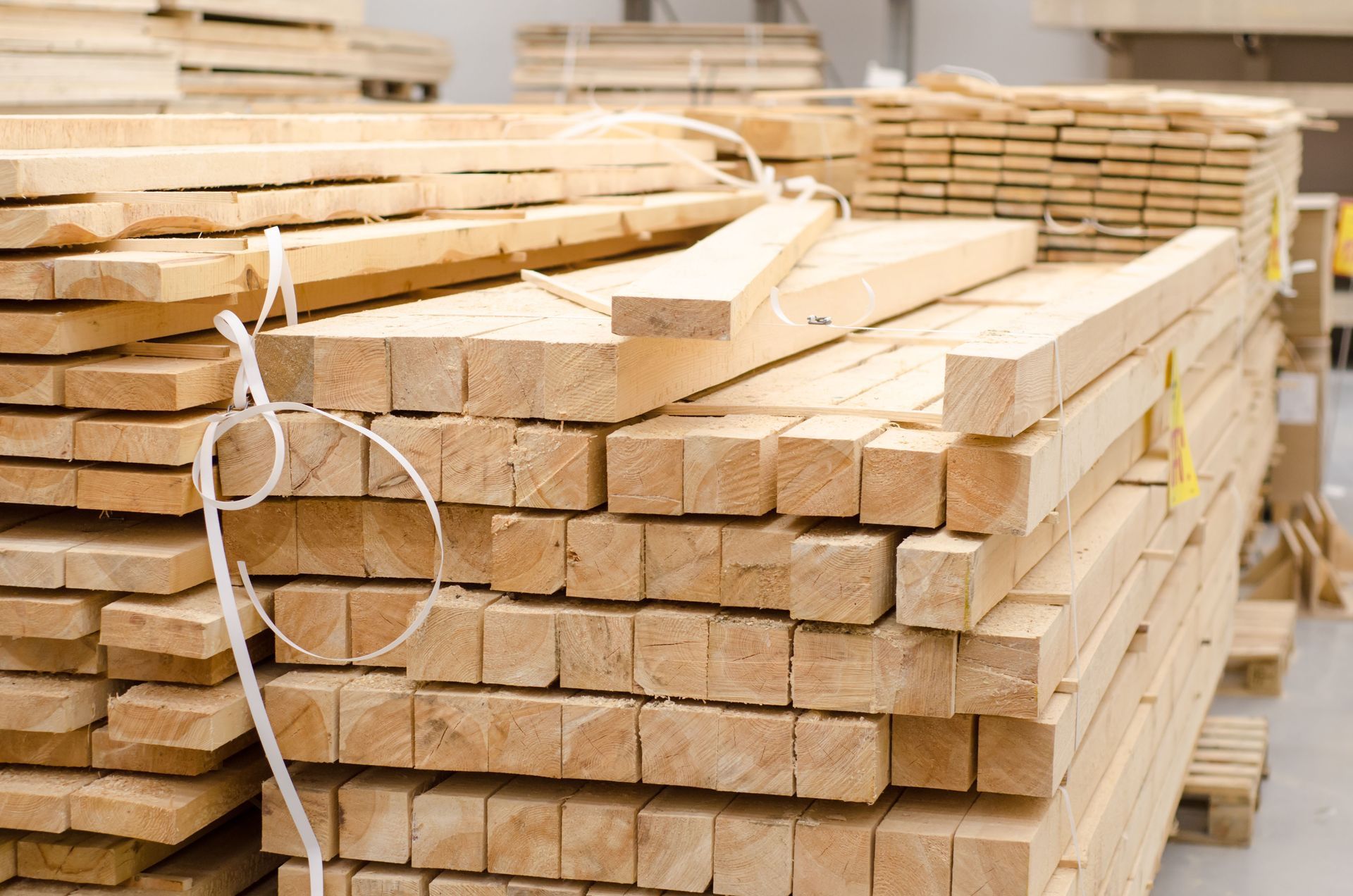
Different wood species offer different levels of strength, durability, moisture resistance, and visual appeal. Selecting the wrong material can lead to premature deterioration, unnecessary maintenance, or structural concerns. Professional lumber services help customers compare hardwoods, softwoods, and other available options based on the intended application. Whether a project requires framing lumber, decorative trim, or replacement boards, expert recommendations can help ensure the material meets its functional and aesthetic requirements.
Identify Defects Before Construction
Lumber quality can vary depending on its grade, storage conditions, and natural characteristics. Warping, splitting, excessive knots, and other defects may affect how a board performs once installed. Experienced professionals can help identify these concerns before materials reach the job site, reducing the likelihood of using unsuitable boards. Careful selection also helps minimize waste and supports consistent results throughout the project.
Account for Moisture and Treatment Requirements
Wood responds to changes in temperature and humidity, which can cause swelling, shrinking, or cracking. Choosing lumber with an appropriate moisture content is particularly important when materials will be used indoors or exposed to outdoor conditions. Professionals can explain the differences between kiln-dried, air-dried, and treated lumber while recommending options suited to the application. Appropriate treatments can also help protect wood against insects, decay, and environmental exposure. Consulting professionals about lumber services can help ensure materials are prepared for the conditions they will encounter.
Access Specialized Equipment and Preparation
Achieve Accurate Cuts and Dimensions
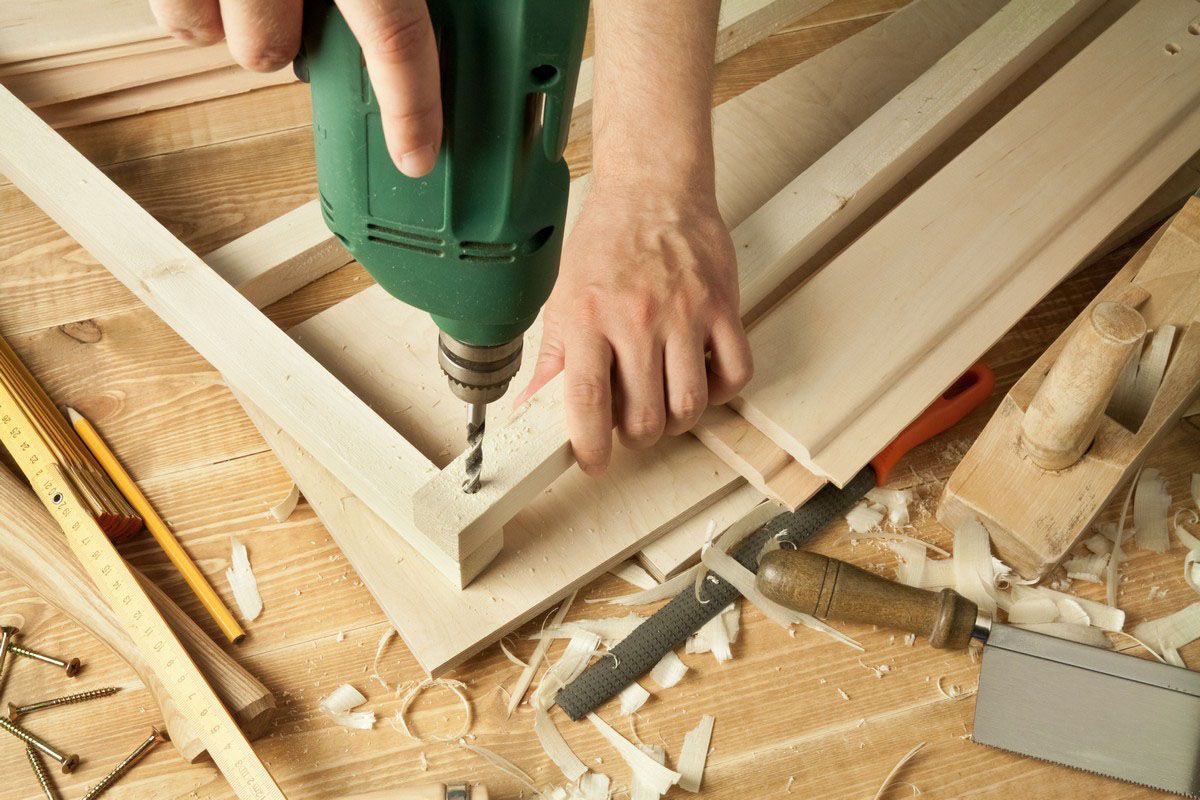
Construction projects often require lumber in specific lengths, widths, and thicknesses. Professional cutting equipment helps prepare materials to the necessary dimensions, improving fit and reducing the need for adjustments on-site. Accurate preparation is especially valuable for projects involving detailed carpentry, custom components, or multiple pieces that must align consistently. By ordering properly prepared materials, contractors and property owners can simplify installation and keep work moving efficiently.
Improve Surface Quality and Consistency
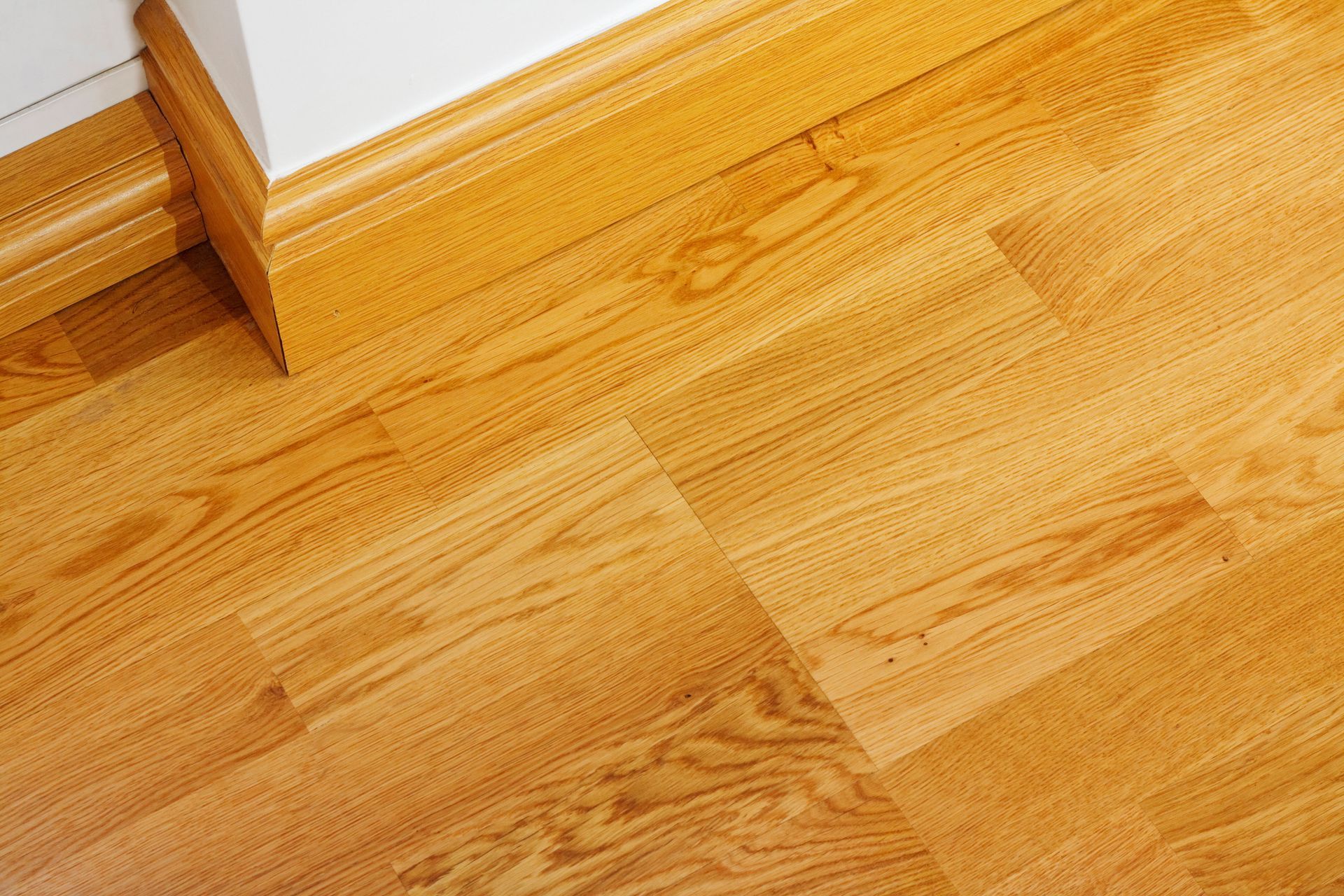
Planing, molding, and other preparation processes can improve the appearance and usability of lumber. Smooth surfaces and consistent dimensions help materials fit together properly and provide a suitable foundation for painting, staining, or sealing. Professional preparation is useful when appearance matters as much as structural performance, such as in trim work, cabinetry, and decorative architectural features.
Protect Materials During Handling and Delivery
Lumber can become damaged through improper storage, rough handling, or exposure to moisture. Organized handling and suitable transport methods help preserve material quality before installation. Professional suppliers can also offer guidance on storing boards properly at the job site, including keeping them elevated, supported, and protected from excessive weather exposure. These precautions help prevent avoidable damage and reduce material replacement costs.
Reduce Project Costs and Delays
Minimize Material Waste
Ordering the correct quantities and dimensions helps control expenses while preventing unnecessary leftovers. Professionals can assist with material planning and identify practical options that meet project requirements without exceeding the budget. Efficient cutting and preparation also help make better use of available lumber. These advantages can be particularly important for larger renovations and construction projects where material waste can quickly increase overall costs. Using lumber services for material planning and preparation can further help keep projects within budget.
Take Advantage of Purchasing Options
Established lumber providers often maintain supplier relationships that can help customers access a suitable range of materials. Comparing available grades, dimensions, and wood species makes it easier to balance quality with affordability. According to the Home Improvement Research Institute, 38% of lumber and other building materials are purchased for a planned repair or replacement. For these projects, careful purchasing decisions can help property owners obtain the necessary materials while keeping planned improvements on budget.
Keep Work on Schedule
Material shortages and incorrect orders can interrupt construction and create scheduling problems for contractors and other trades. Professional lumber services help streamline sourcing and preparation, making it easier to coordinate material requirements with project timelines. Planning orders in advance and confirming specifications can reduce unnecessary trips, last-minute substitutions, and installation delays. Reliable material coordination supports a more organized construction process from preparation through completion.
Support Safe and Responsible Construction
Follow Relevant Building Requirements
Different construction applications require materials that meet appropriate building codes and performance standards. Structural framing, exterior projects, and other specialized uses may have specific requirements for lumber grades, dimensions, or treatment. Experienced suppliers can help customers understand material specifications and identify suitable options for their intended applications. Project owners should still confirm code requirements with the appropriate building professional or local authority before installation.
Choose Responsibly Sourced Materials
Environmental considerations can also influence lumber purchasing decisions. Some customers prefer wood sourced from responsibly managed forests or suppliers that provide recognized sustainability certifications. Professionals can explain available sourcing options and help customers compare materials based on their project priorities. Selecting appropriate lumber and using it efficiently can reduce unnecessary waste while supporting more responsible construction practices.
Improve Material Handling Practices
Lumber can be heavy, awkward to carry, and difficult to stack safely. Proper handling and storage reduce the risk of damaged boards and workplace injuries. Professionals familiar with material movement can help establish practical delivery and storage arrangements that support safer job-site operations. Keeping walkways clear, stacking materials securely, and following appropriate lifting procedures are additional steps that help protect workers and preserve supplies.
Customize Materials to Project Requirements
Match Materials to Design Specifications
Every construction project has unique requirements, from the dimensions of replacement boards to the appearance of visible wood features. Professional guidance helps customers select materials that align with architectural plans, functional needs, and design preferences. Factors such as grain pattern, finish, strength, and dimensional consistency can influence the final result. Careful material selection helps create a cohesive appearance while ensuring that the wood serves its intended purpose.
Coordinate Lumber With Other Materials
Wood components must often work alongside metal fasteners, insulation, masonry, siding, and other building products. Selecting compatible materials helps prevent installation difficulties and supports the overall performance of the finished structure. Professional recommendations can help customers account for environmental exposure, connection requirements, and the differences between interior and exterior applications. Coordinating these decisions early can also reduce the need for costly adjustments during construction.
Address Unusual Project Challenges
Older buildings, irregular spaces, and specialized designs may require lumber with particular dimensions or characteristics. Experienced professionals can help evaluate available options and identify practical solutions when standard materials do not meet the specifications. This guidance is valuable during repairs and replacements, when matching existing construction can be difficult. With appropriate planning, project owners can address unusual requirements without compromising material suitability or the intended design.
Choose Professional Lumber Support for Your Next Project
Professional lumber support offers practical advantages throughout the construction process, from selecting suitable wood and preparing accurate dimensions to coordinating deliveries and protecting material quality. Expert guidance can help reduce waste, control costs, improve project efficiency, and support long-term durability. Whether a project involves planned replacements, renovations, or new construction, making informed material decisions helps establish a stronger foundation for successful results. Contact Lumber Specialties Inc to discuss your project requirements and learn how professional lumber services can help you find suitable lumber solutions for your next building or improvement project.









Share On: