
What Type of Lumber Is Right for Your Project?
Choosing the right materials for any construction or woodworking task is often the single most important factor determining the structural integrity, visual appeal, and longevity of the finished piece. Whether you are building a custom dining table, framing a new home addition, or assembling a simple garden bench, navigating the vast aisle of lumber options can feel overwhelming. Every species, grade, and processing treatment offers unique characteristics in terms of density, moisture resistance, grain patterns, and cost. Understanding how to match these specific material properties to the unique demands of your build ensures that your effort yields a strong, beautiful result that withstands the test of time.
At the fundamental level, wood selection begins with distinguishing between softwoods and hardwoods. Contrary to what their names suggest, these categories are defined by tree reproduction rather than physical density. Softwoods originate from gymnosperm trees, such as pines, firs, spruces, and cedars, which generally retain their needle-like foliage year-round. These woods grow rapidly, producing straight, lightweight lumber boards that are easy to cut, nail, and screw, making them the primary choice for structural framing, subflooring, and general home repair. Hardwoods come from angiosperm trees, such as oaks, maples, cherries, and walnuts, which lose their broad leaves annually. These slow-growing trees yield dense, durable wood with rich grain patterns, making them preferred for fine furniture, cabinetry, flooring, and decorative trim.
Outdoor Builds: Protection and Natural Resistance
When planning outdoor installations, selecting materials capable of resisting moisture, fungal decay, and insect damage is paramount. Untreated woods exposed to rain, humidity, and direct ground contact quickly rot and fail structurally. For outbuildings, decks, and garden features, chemical preservation provides an essential defense mechanism. According to Zipdo, 80% of residential sheds are constructed from wood, and pressure-treated lumber remains the preferred option because of its long-lasting strength. This chemical treatment process forces protective preservatives deep into the wood fibers under intense pressure, enabling softwoods like southern yellow pine to resist rot and insect infestation for decades even when buried directly in soil or exposed to constant dampness.
For those who prefer a natural approach to outdoor builds without industrial chemical treatments, naturally decay-resistant species offer a premium alternative. Redwoods, western red cedars, and white oaks possess natural oils, resins, and extractives that act as internal defenses against rot and pests. Western red cedar, for example, is renowned for its lightweight stability, warm reddish hue, and pleasant aroma, making it a favorite for exterior siding, outdoor furniture, and pergola structures. Redwood provides similar rot-resistant properties with a striking, uniform color palette. While these naturally resistant woods often carry a higher initial price tag than chemically treated softwoods, their dimensional stability, resistance to warping, and natural beauty make them an outstanding choice for high-end exterior projects.
Indoor Projects: Framing, Trim, and Fine Hardwoods
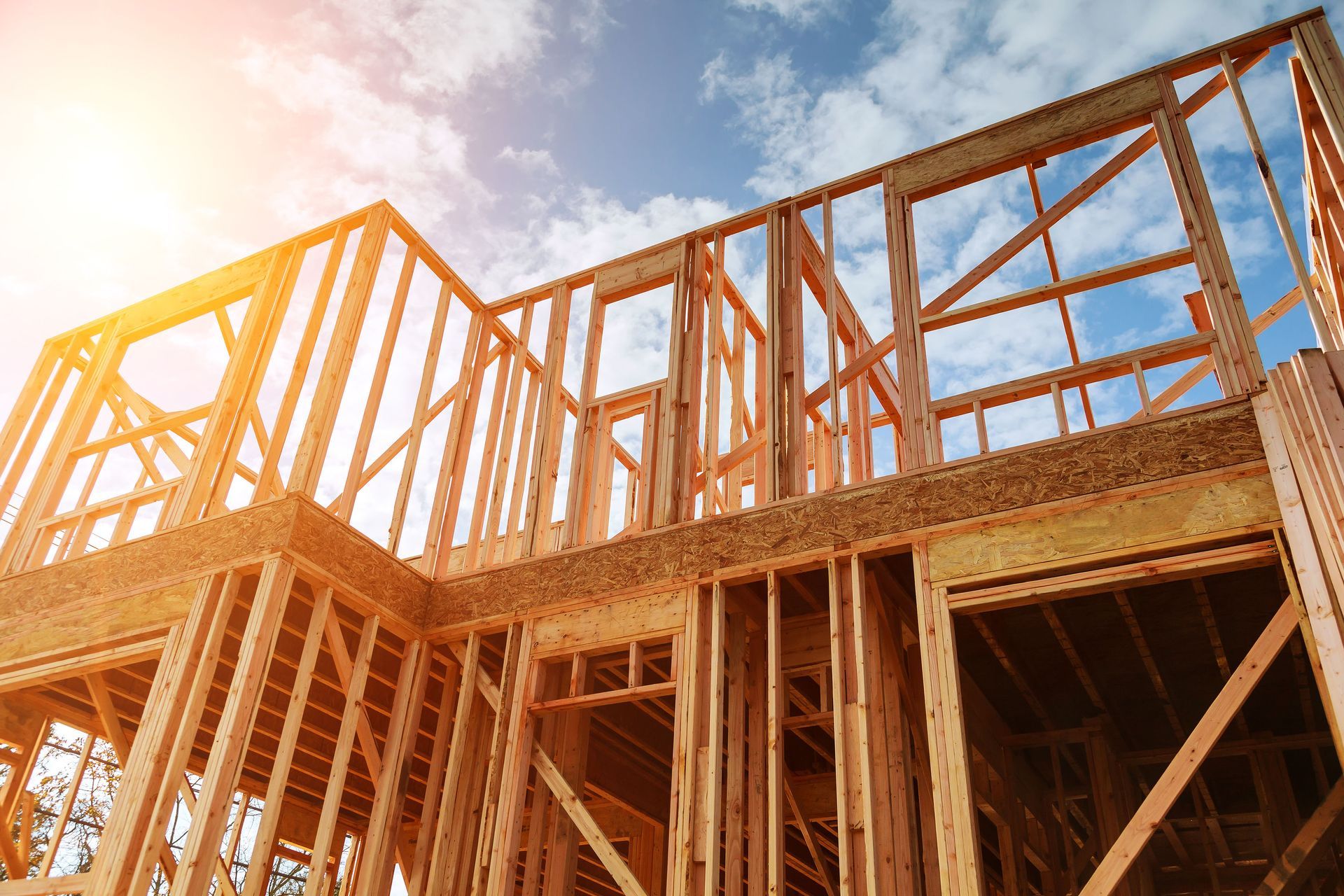
Indoor projects present a completely different set of structural and aesthetic requirements, shifting the focus toward dimensional stability, hardness, and grain character. For hidden structural framing, such as interior walls or floor joists, dimensional softwood lumber rated as kiln-dried spruce-pine-fir is the industry standard. The kiln-drying process bakes out excess moisture in controlled ovens, preventing boards from twisting, bowing, or shrinking after installation. For visible interior features like trim, wainscoting, or built-in shelving, paint-grade softwoods like white pine or poplars provide smooth surfaces that absorb paint evenly without leaking sap or heavy grain textures.
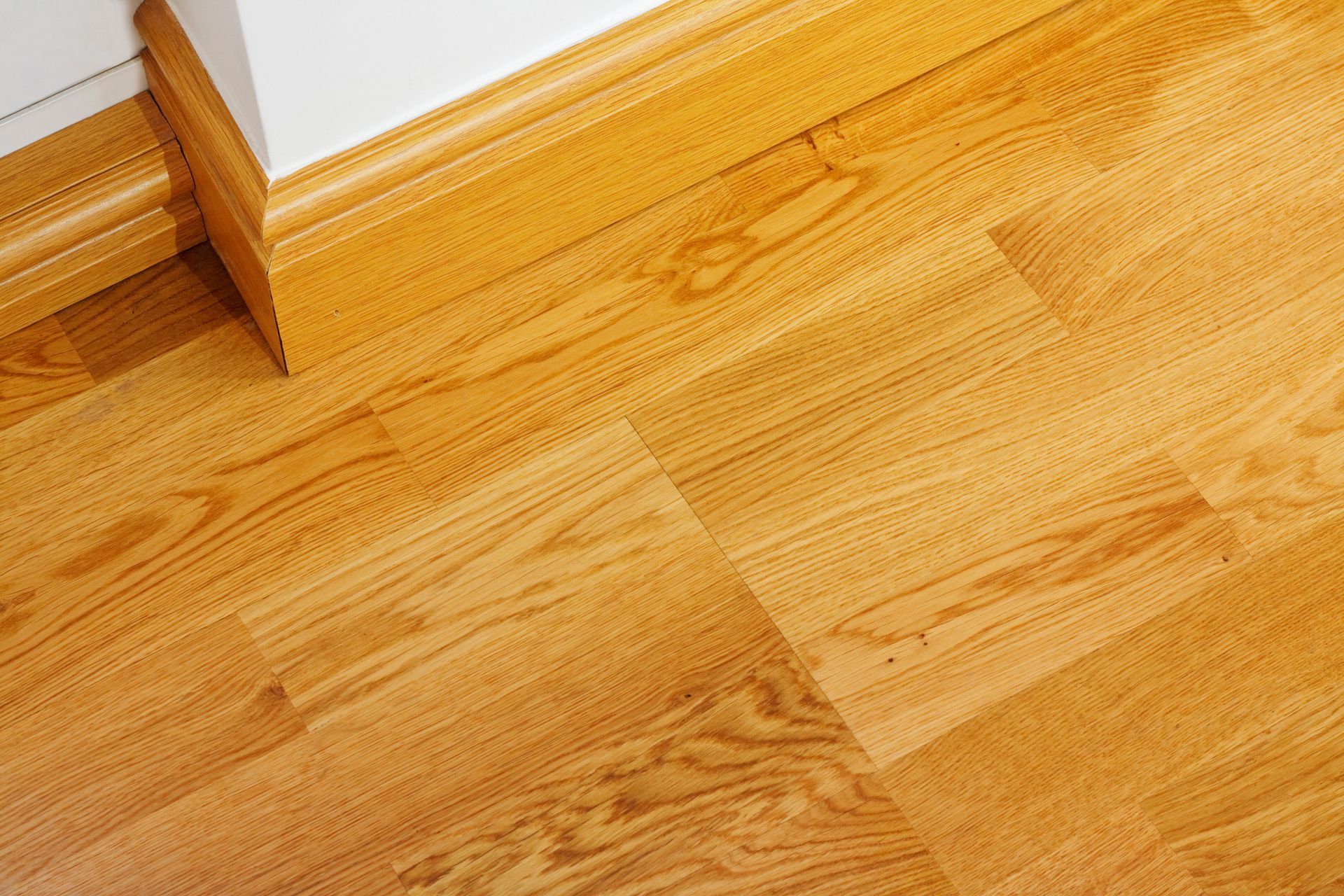
When craftsmanship turns toward fine furniture, dining tables, or custom counter surfaces, hardwoods take center stage due to their strength and wear resistance. Red oak and white oak are widely used due to their distinctive grain patterns and exceptional impact resistance, making them ideal for high-traffic flooring and sturdy furniture. Maple offers an extremely dense, tight-grained surface that resists scratches and denting, which is why it is frequently selected for kitchen butcher blocks and modern cabinetry. Walnut stands out for its rich, chocolate-brown hues and exquisite swirling grain patterns, offering a luxurious aesthetic for high-end woodworking despite its higher cost. Matching the hardness of the wood species to the expected daily wear of the finished piece ensures that your investment remains pristine for years.
Engineered Materials and Wood Grading Systems
Beyond solid wood boards, engineered wood products offer unique structural advantages that traditional solid boards cannot match. Products like plywood, medium-density fiberboard, and oriented strand board are manufactured by bonding wood fibers, veneers, or strands together under heat and pressure with powerful adhesives. Plywood features cross-laminated layers that alternate grain direction, creating remarkable dimensional stability that will not expand or contract significantly with changes in atmospheric humidity. This property makes engineered panels indispensable for cabinet carcases, subfloors, and large tabletop cores where solid wood might warp or crack over time. Medium-density fiberboard offers a completely flat, knot-free surface ideal for painted interior trim and detailed router work.
Selecting the right material also requires a clear understanding of grading systems, which evaluate boards based on structural strength, clear grain, and visual flaws. Dimensional construction lumber is graded primarily for structural capacity, with higher grades indicating fewer knots, splits, or structural defects that could compromise load-bearing strength. Hardwoods are graded based on the percentage of clear, usable wood available in a board, ranging from prime select grades with minimal defects to common grades that feature rustic knots and color variations. Understanding these grading standards helps you avoid paying a premium for flawless boards when your project requires shortcuts or paint finishes, while ensuring you acquire high-grade stock when raw grain beauty is paramount.
Important Board Dimensions, Moisture Content, and Milling
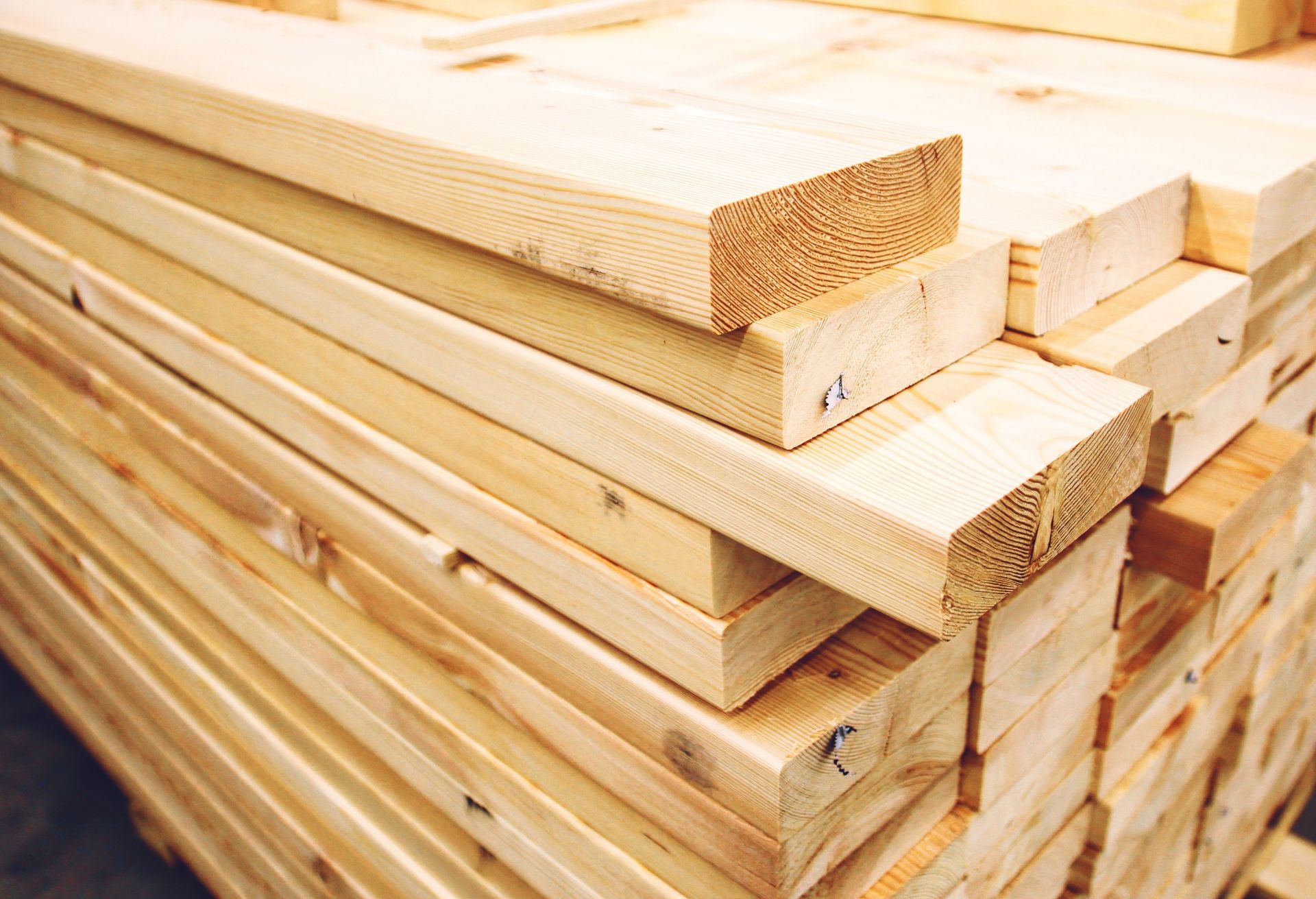
Another vital aspect of selecting the right stock involves understanding the difference between nominal and actual measurements in dimensional boards. A standard board labeled as a two-by-four actually measures one and a half inches by three and a half inches due to planing and drying processes at the mill. Failing to account for these dimensional differences can lead to significant framing miscalculations and material shortages on the job site. Furthermore, paying close attention to moisture content ensures long-term stability in climate-controlled environments. Wood naturally expands and contracts as it gains or loses moisture to surrounding air. Allowing your boards to acclimate inside the installation space for several days before cutting or joining prevents unsightly joint gaps, buckled floorboards, and structural cracking after assembly.
Environmental Sustainability and Final Selection
Environmental impact and sustainability are increasingly important considerations for modern builders and woodworkers. Choosing certified materials sourced from responsibly managed forests ensures that timber harvesting does not contribute to deforestation or ecosystem destruction. Look for certifications from recognized organizations like the Forest Stewardship Council, which verifies that products come from forests managed with strict environmental, social, and economic standards. Furthermore, sourcing locally grown wood species reduces the carbon footprint associated with long-distance transportation while supporting regional forestry industries. Reclaimed lumber from old barns, factories, or structural beams offers another eco-friendly option, adding unique weathered character and historical charm to modern interior projects.
Picking the ideal material for your next build comes down to balancing function, exposure, aesthetics, and budget. By carefully assessing whether your project requires the weather-defying strength of treated softwoods, the timeless elegance of hardwoods, or the dimensional stability of engineered panels, you can approach the hardware store with complete confidence. Taking the time to select the right board before making your first cut ensures a smoother building process and guarantees a finished creation that is both functionally sound and beautiful. Contact Lumber Specialties Inc today to source the perfect high-grade materials for your next project and bring your building vision to life.









Share On: