
8 Ways Marine Lumber Goes Beyond Boat Construction
Marine-grade materials have long been associated with boats, shipyards, and waterfront vessels, but limiting their value to hulls and decks significantly understates their broader strategic potential. Marine lumber has evolved into a high-performance building material that supports a wide range of waterfront, residential, commercial, and infrastructure applications. Designed to operate in moisture-heavy, high-impact, and environmentally demanding conditions, this category of lumber delivers durability, longevity, and return on investment well beyond traditional boat construction. When evaluated through a broader lens, marine lumber becomes a versatile asset for projects that require structural integrity, visual consistency, and long-term resilience.
1. Expanding Waterfront Infrastructure Applications
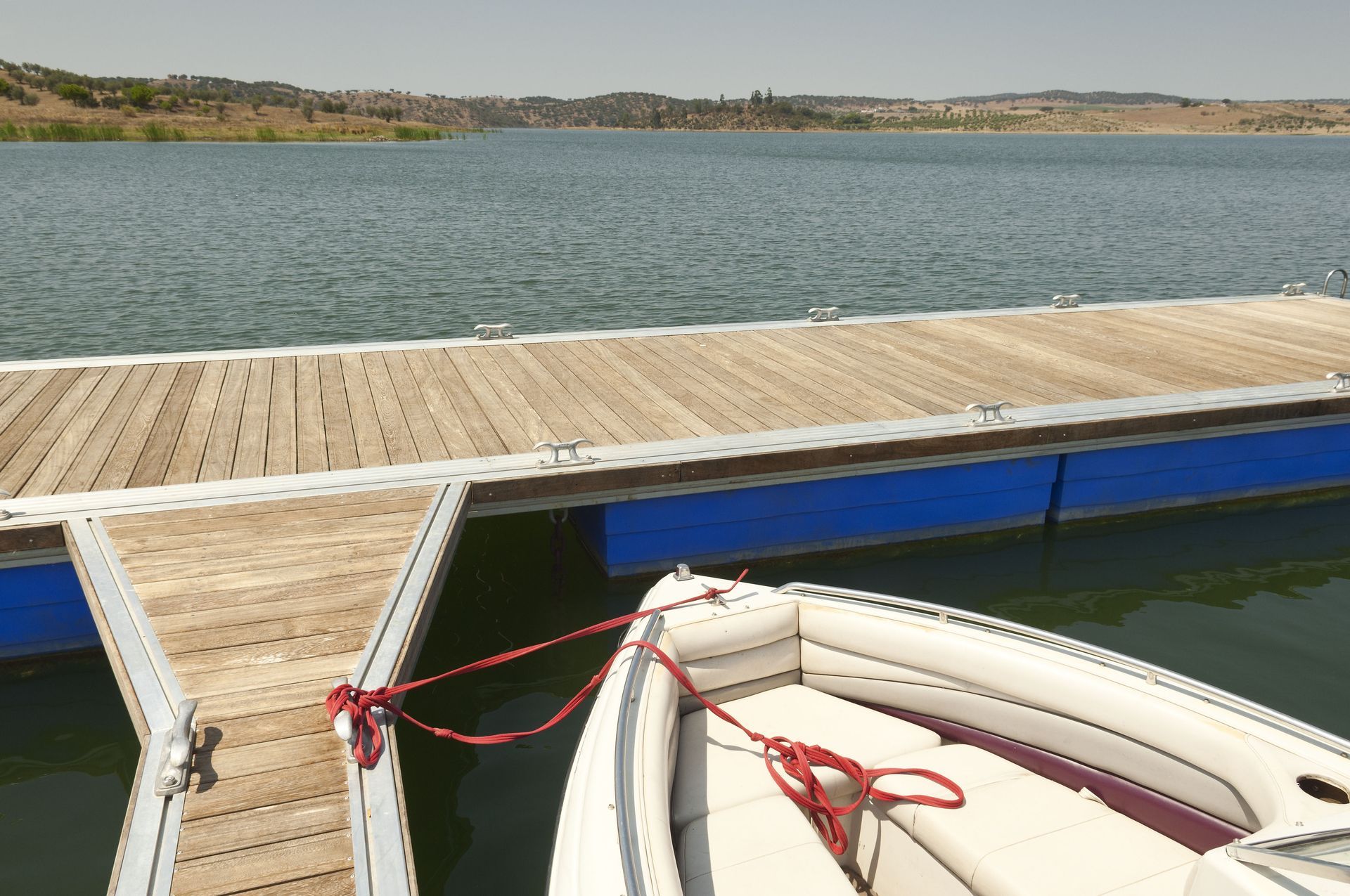
One of the most practical and high-impact uses of marine lumber is in the development of waterfront infrastructure. Boat docks, piers, and access platforms rely on materials that can withstand continuous exposure to water, sun, temperature changes, and mechanical stress. Marine lumber is engineered to perform under these conditions without compromising structural stability or appearance. Its resistance to rot, delamination, and warping allows project stakeholders to extend maintenance cycles and reduce lifecycle costs, making it a preferred choice for both private and commercial waterfront developments.
In dock construction, marine lumber supports framing, decking, and load-bearing elements while maintaining dimensional stability. This reliability is critical in environments where water levels fluctuate and constant movement places stress on joints and fasteners. Marine lumber also integrates well with modern fastening systems and protective coatings, allowing contractors to align performance requirements with aesthetic goals. From residential lakefront docks to large-scale marina installations, marine lumber supports scalable, future-ready infrastructure.
2. Strengthening Seawall and Shoreline Protection Solutions
Beyond access structures, marine lumber plays a strategic role in shoreline stabilization and erosion control. Seawalls and bulkheads are essential for protecting property, infrastructure, and ecosystems from wave action and soil displacement. These structures demand materials that can tolerate constant moisture, pressure from shifting soils, and long-term environmental exposure. Marine lumber meets these demands by providing strength and resistance where traditional lumber products often fail.
When used in seawall construction, marine lumber delivers predictable performance and reduces the risk of premature material degradation. This reliability supports long-term planning for municipalities, developers, and property owners seeking to protect valuable waterfront assets. Marine lumber also offers design flexibility, enabling customized solutions that align with site-specific engineering requirements. In this context, marine lumber functions not just as a building material, but as a risk mitigation tool that supports sustainable shoreline management strategies.
3. Supporting Pier and Boardwalk Development Projects
Piers and boardwalks represent another area where marine lumber demonstrates value beyond boat construction. These structures serve both functional and experiential purposes, providing access, connectivity, and public engagement with waterfront environments. Marine lumber supports these objectives by offering a balance of structural performance and visual appeal. Its ability to maintain surface integrity under heavy foot traffic and environmental exposure makes it a reliable choice for public and private developments alike.
In pier construction, marine lumber contributes to consistent load distribution and long-term safety. In boardwalk applications, it enhances user experience by delivering a stable, visually cohesive surface that holds up under constant use. Marine lumber's compatibility with finishes and treatments further allows designers to align performance requirements with branding or architectural themes. This combination of durability and adaptability positions marine lumber as a cornerstone material for high-visibility waterfront projects.
4. Enabling Outdoor Structural and Recreational Builds
Marine lumber's utility extends inland as well, particularly in outdoor structures that face ongoing exposure to moisture and weather variability. Pergolas, gazebos, pool decks, and outdoor walkways benefit from the same moisture resistance and strength that make marine lumber effective in marine environments. For commercial properties and upscale residential projects, this material supports consistent performance without sacrificing design flexibility.
Marine lumber is frequently selected for projects where standard pressure-treated lumber may not deliver the desired lifespan or stability. Its resistance to splitting and warping helps maintain clean lines and tight tolerances over time. This makes it an ideal option for outdoor recreational builds that prioritize both form and function. By leveraging marine lumber in these contexts, stakeholders can standardize material performance across multiple applications while simplifying maintenance planning.
5. Enhancing Industrial and Commercial Applications
In industrial and commercial settings, marine lumber provides value in environments that demand resilience and reliability. Facilities located near water, including ports, processing plants, and distribution hubs, often require platforms, ramps, and protective barriers that can withstand harsh conditions. Marine lumber supports these operational needs by offering predictable performance in wet, corrosive, or high-impact environments.
Commercial projects benefit from the reduced downtime and replacement costs associated with marine lumber installations. Its structural consistency supports compliance with safety standards and operational requirements, while its durability aligns with long-term capital planning. In this way, marine lumber functions as a strategic material choice that supports operational continuity and asset longevity.
6. Leveraging Engineered Performance Advantages
The performance advantages of marine lumber are rooted in its engineered construction and material selection. Marine-grade wood products are designed to deliver enhanced strength, density, and resistance compared to conventional lumber. According to The Spruce, marine plywood is constructed using a minimum of five thin layers of 100% hardwood veneer, offering greater strength, hardness, and a finer grain compared to softwood varieties. This construction methodology translates into improved load-bearing capacity and reduced risk of structural failure across a wide range of applications.
These engineered benefits allow marine lumber to perform consistently in scenarios where moisture infiltration and mechanical stress are unavoidable. The result is a material that supports both short-term project execution and long-term asset performance. For decision-makers evaluating total cost of ownership, marine lumber presents a compelling value proposition.
7. Aligning Sustainability and Longevity Objectives
Sustainability considerations are increasingly influencing material selection across the construction and development sectors. Marine lumber supports these objectives by offering extended service life and reduced replacement frequency. Fewer replacements mean lower resource consumption over time, aligning with sustainability goals without compromising performance. Additionally, the dimensional stability of marine lumber helps reduce waste during installation and over the lifespan of the structure.
When incorporated into responsibly managed projects, marine lumber contributes to a balanced approach that considers environmental impact alongside operational demands. Its durability supports long-term planning and reduces the environmental footprint associated with frequent repairs or rebuilds. This alignment of sustainability and performance further reinforces the strategic value of marine lumber across diverse applications.
8. Positioning Marine Lumber as a Strategic Material Choice
Marine lumber is no longer confined to the narrow scope of boat construction. Its performance characteristics, adaptability, and long-term value position it as a strategic material across waterfront, outdoor, commercial, and industrial applications. Whether supporting the creation of a boat dock, reinforcing a seawall, extending a pier, or enhancing an outdoor structure, marine lumber delivers consistent results in demanding environments.
By evaluating marine lumber through a broader operational and lifecycle lens, developers, contractors, and property owners can unlock new opportunities for efficiency and durability. The versatility of marine lumber enables project teams to standardize material choices while addressing diverse functional requirements. In an industry where performance and longevity directly impact return on investment, marine lumber stands out as a solution that goes well beyond its traditional association with boats. If you're looking for quality marine lumber for your next project, don't hesitate to get in touch with Lumber Specialties Inc today.





Share On: